

Things in a house don't fall apart all at once. They fail in rounds. And the first round usually arrives somewhere around year ten.
The waterproofing under the bathroom tiles, the sealant around the windows, the water heater, the protection against termites that was done when the house was built — most of it was made to last about a decade. By the time you're viewing the house, some of it is already done.
None of this is a reason not to buy. But every item is hard to spot during house viewing but expensive to find after you've signed. This is the list I'd take with me. If the house is older than ten — and in most mature neighbourhoods it will be — everything here still applies. You're just further down the list.
Stand on the road and look at the house. Is the front of the house lower than the road? In older neighbourhoods the road gets resurfaced again and again, and each layer lifts it a little. After enough years, rain that used to drain away from the house starts running toward it.
Look at the drains. Are they clear, or full of silt and leaves? Ask the neighbours (or agent) whether the street floods during heavy rain. Neighbours have no reason to be hide.
Look at the extensions. In mature neighbourhoods, most houses have been changed: a kitchen extended out, the back covered, a room added on the roof. Make a note of anything that doesn't look original. You'll need to ask about it later.
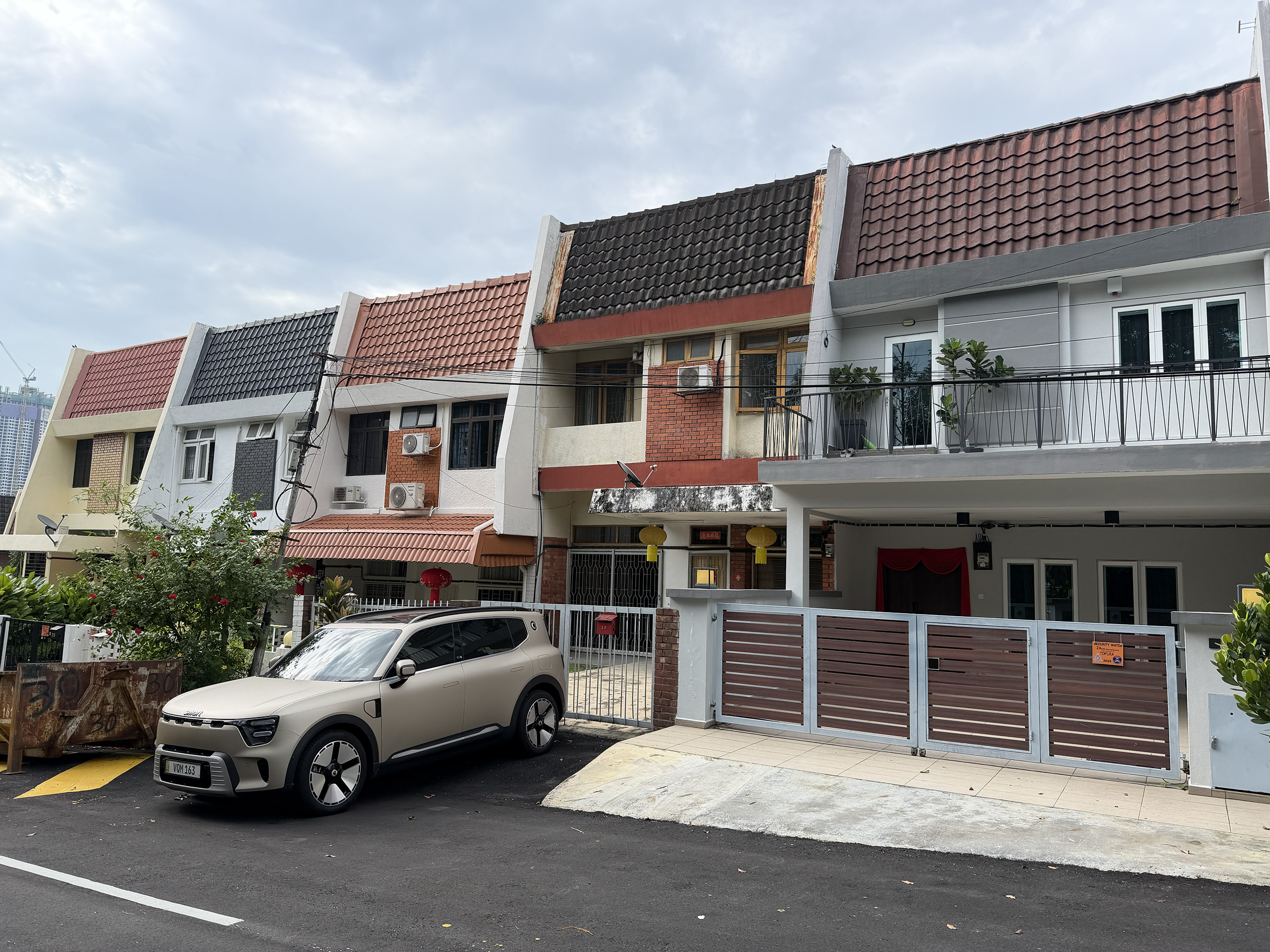
Walk to the top floor and look at the ceiling, especially the corners. Yellow or brown rings mean water has come through the roof at some point. Old stains can be harmless. A stain with fresh paint around it is not the same thing — ask why that one spot was repainted.
Check the gutters and downpipes from outside. Blocked gutters overflow into the walls. It's one of the most common leaks I see, and one of the easiest to miss on a sunny viewing day.
Find a bathroom on the upper floor, then go downstairs and look at the ceiling or floor slab directly below it. Stains there mean the waterproofing has started to fail. Of everything on this list, this is the one check I'd never skip.
Tap the floor and wall tiles lightly with a knuckle. A hollow sound means the tile has come loose from what's behind it — usually because water got in first. Look at the grout too. Gaps and dark lines are where water gets through.
Check flat roofs, balconies and planter boxes. These hold water on top of the house, and their waterproofing wears out the same time as the bathrooms.
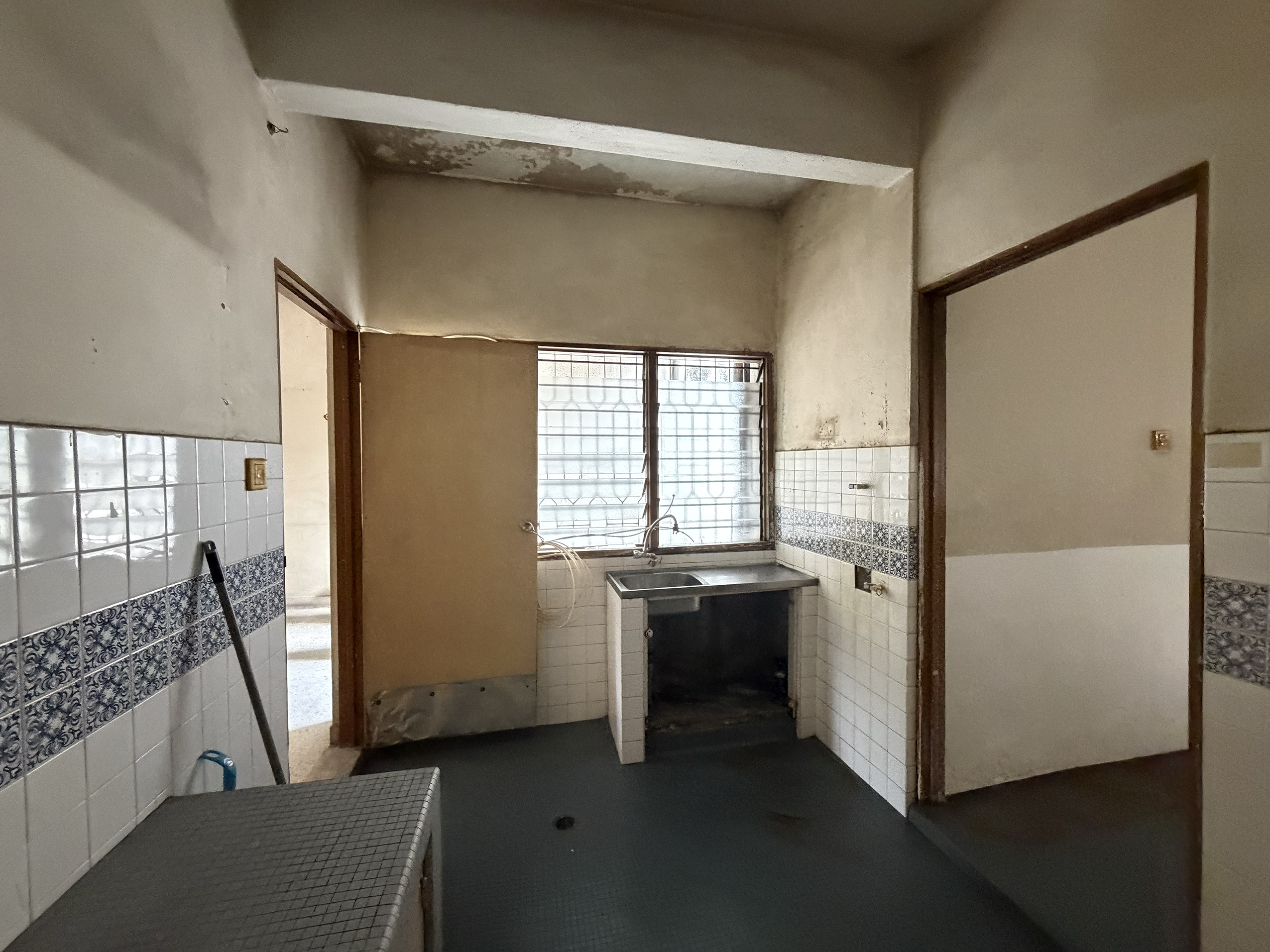
Look below the corners of each window. Stains or bubbled paint there usually mean the sealant around the frame has dried out and cracked.
Don't panic about every crack. Thin, spidery lines in the plaster are normal in a house this age. What's worth a second opinion: diagonal cracks running from the corner of a door or window, cracks wide enough to fit a coin, and doors or windows that stick or won't close properly.
Check the bottom of the walls. White powdery stains, flaking paint or a damp smell near the floor can mean moisture coming up from below.
Open the DB box. Many older landed houses run on single-phase power. That was enough when they were built. Several air-conditioners, an induction hob and an EV charger later, it may not be. Upgrading to three-phase is common, but it involves TNB and it takes time — better to know before you plan your move-in date around it.
Check for termites. Press the skirting and the bottom of door frames. Soft or hollow-sounding timber is a warning, and so are thin mud tubes running up a wall. The anti-termite treatment done when the house was built doesn't last forever, and by year ten it's usually worn off.
Look at the water heater. The model sticker usually has a year on it. Heaters around the ten-year mark are often close to the end, or the model discontinued that it is not possible to repair or find spare parts.
Remember what you can't check at all. The wiring and pipes inside the walls are out of sight until someone opens them up. That's not a reason to be afraid of a house — just a reason to keep some of your budget free until the walls are opened. I explained why in Hacking isn't expensive. What comes after is.
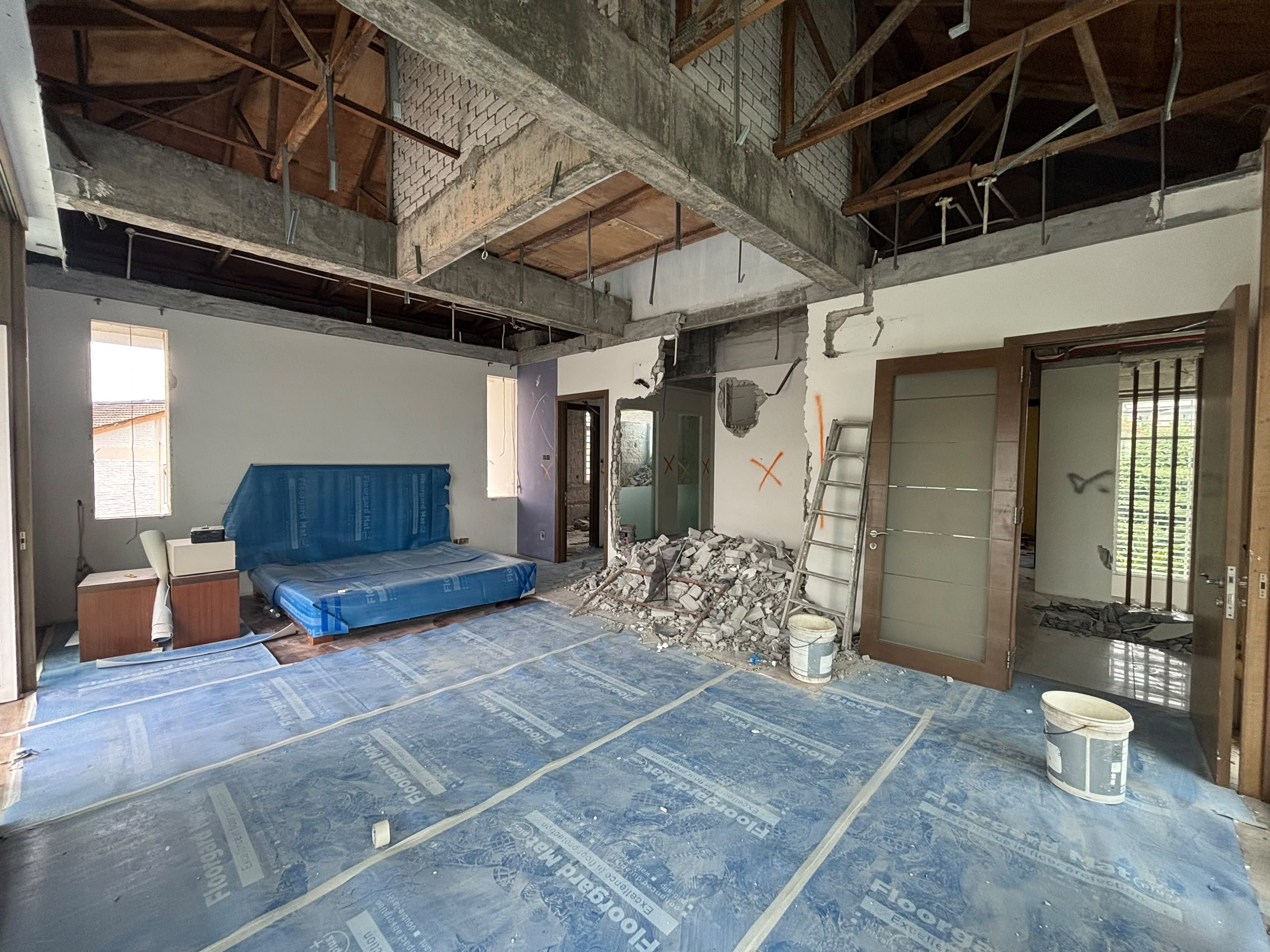
Were the extensions approved? An unapproved extension isn't always a deal breaker. But it can become one the moment you want to change it, because now it's your problem with the local Majlis, not theirs.
What has been repaired, and when? A roof re-done five years ago is good news. A bathroom re-waterproofed last month, just before a sale, deserves a follow-up question.
Has it ever flooded, or leaked? Ask it plainly. Then compare the answer with what the neighbours told you.
A ten-year-old house isn't a problem. It's just a house that has started telling you what it needs. The point of a viewing is to listen before you sign, not after.
For how to think about the budget once you've bought, Allocation of budget for renovating new vs older landed house is the next step — and What I learned from renovating a 20-year-old house is where this list ends up if you let it wait long enough.