Hacking isn't expensive. What comes after is.

Renovation

Published on:
Apr 2026

Hacking isn't expensive. What comes after is.

One of the most common questions I get from clients — right up there with "can we do all this for RM80k" — is: "Is hacking expensive?"

Honestly? Not that much.

Hacking is just labour. A guy with a jackhammer and the attitude of someone who genuinely enjoys destroying things. In Malaysia, labour is cheap. You'd be surprised how affordable it is to turn something into rubble.

So if you called me tomorrow and asked "Nick, how much to hack my kitchen floor?", I'd give you a number and you'd feel relieved. Then I'd explain the rest, and you'd feel less relieved.

No items found.
________________________

Floor

No items found.

When you hack a floor, here's what actually happens next:
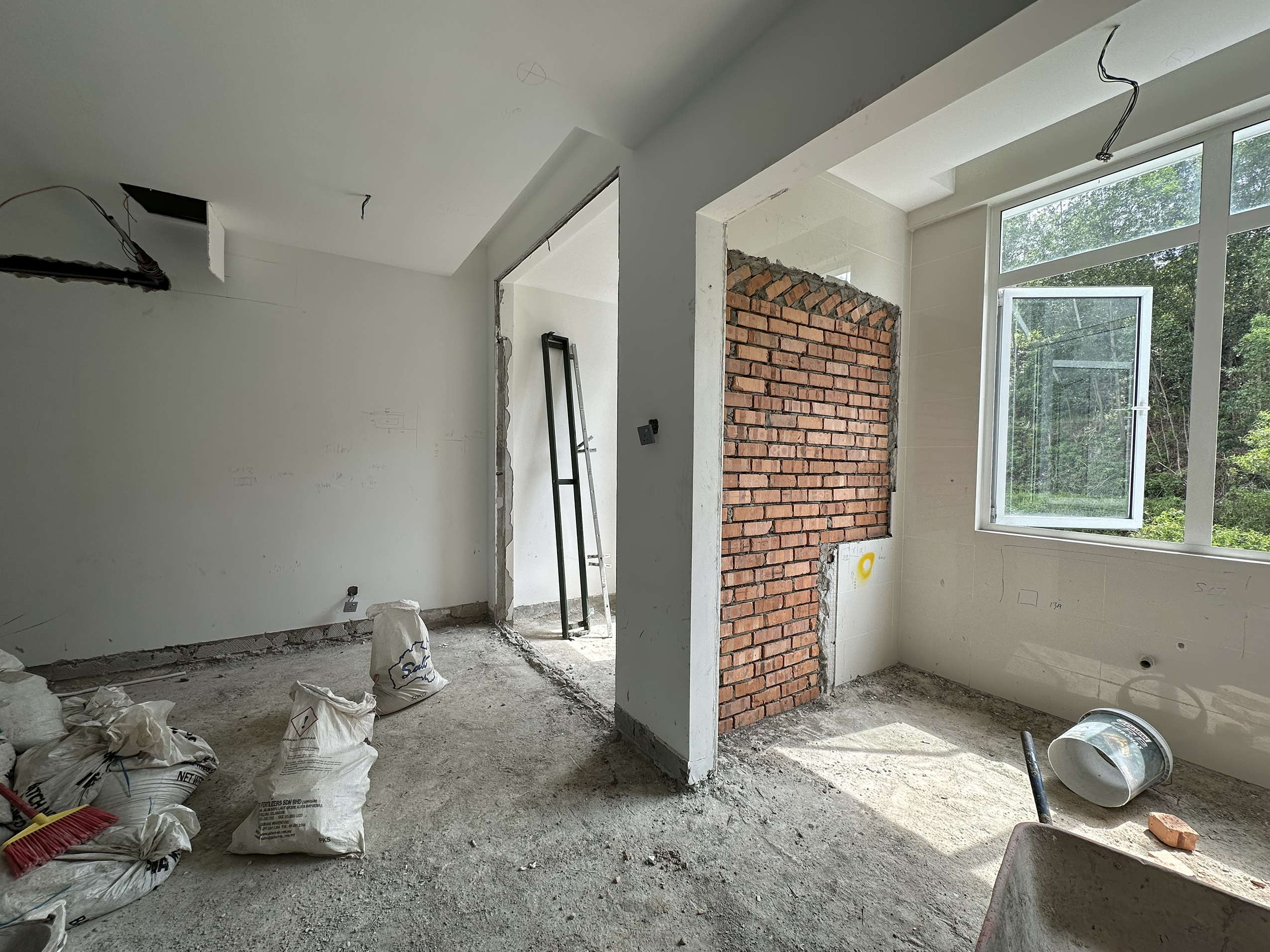
  1. You need to replace what was there. Those tiles you've been living with for the past 8 years? Discontinued. The manufacturer moved on. The new batch of the "same" tile is off by just enough that if you put them side by side, one looks like it spent too much time in the sun. You will notice. Your guests will notice. You will think about it every morning for the next decade.
  2. You now have two bad options. Patch it and hope nobody notices (they will). Or hack a much bigger area so the mismatch lands somewhere less obvious — like behind the sofa, where nobody can see.
  3. Either way, you're spending more than the cost of the hack. This is why when a client says "I just want to hack this one small area", I get a very specific look on my face. My team know this look. It means I'm calculating in my head.

No items found.

When you hack a wall, the floor immediately becomes your problem:

  1. There's now a strip of exposed screed where the wall used to be. It runs the entire length of the wall. It's the wrong size to tile neatly. It just sits there, reminding everyone that something used to be there.
  2. You can't tile just that strip. It'll look like a patch — because it is a patch. The tile work has to extend outward until the joint lands somewhere less obvious. A doorway. Behind a cabinet. Wherever it can hide.
  3. The ceiling has something to say too. Where the wall used to meet the ceiling, there's now a shadow line, a plaster patch, a paint difference. So you repaint that section. But that section won't match the rest of the ceiling. So now you repaint the whole ceiling. Maybe the whole room.
  4. Moving a wall means buying new doors and windows. If you're hacking a wall to shift it or extend a room, the existing door and window cannot follow. The opening size changes, the frame won't fit — and even if it somehow does, it won't look right. You're buying new. If you've priced a decent door or aluminium window frame lately, you'll know that comes with its own moment of silence.

What started as "just removing a wall" has become a flooring, repainting, and joinery project. You're welcome.
Secrets

No items found.

One more thing — the wall has secrets. This is my favourite part. A shortlist of things I've found inside walls that had no business being there:

  • Old wiring from the 90s that nobody bothered to remove
  • Pipes routed in ways that make no sense
  • Waterproofing that someone did in 1997 and quietly hoped nobody would ever check.

Every discovery is a decision. Every decision costs money and time. This is not the contractor trying to charge you more — this is just what older homes are like. They have surprises. Hacking is how the surprises come out.

This is why any job that involves hacking needs a contingency budget. Not a small one. If your designer or contractor is not talking about this before work starts, bring it up yourself. How they respond will tell you a lot.

No items found.

No items found.

No items found.

No items found.

No items found.
____________________________

So should you still hack? Yes. Sometimes it is the right call and the end result is worth every ringgit.

Just go in asking the right question. Not "how much does hacking cost?" but "what do I need to deal with after the hacking is done?" That is the real number. That is the conversation to have before the jackhammer guy shows up.

The hack is the easy part. What you do with everything after — that is the renovation.

Nick

Other posts

Allocation of budget for renovating new vs older landed house

Category:
Renovation
Allocation of budget for renovating new vs older landed house

The Making of ML: Check-In 2

Category:
Behind the scenes
The Making of ML: Check-In 2

Kitchen cabinet design and planning

Category:
Design
Kitchen cabinet design and planning

The Making of Fera Residence (FR): Check-In 1

Category:
Behind the Scenes
The Making of Fera Residence (FR): Check-In 1